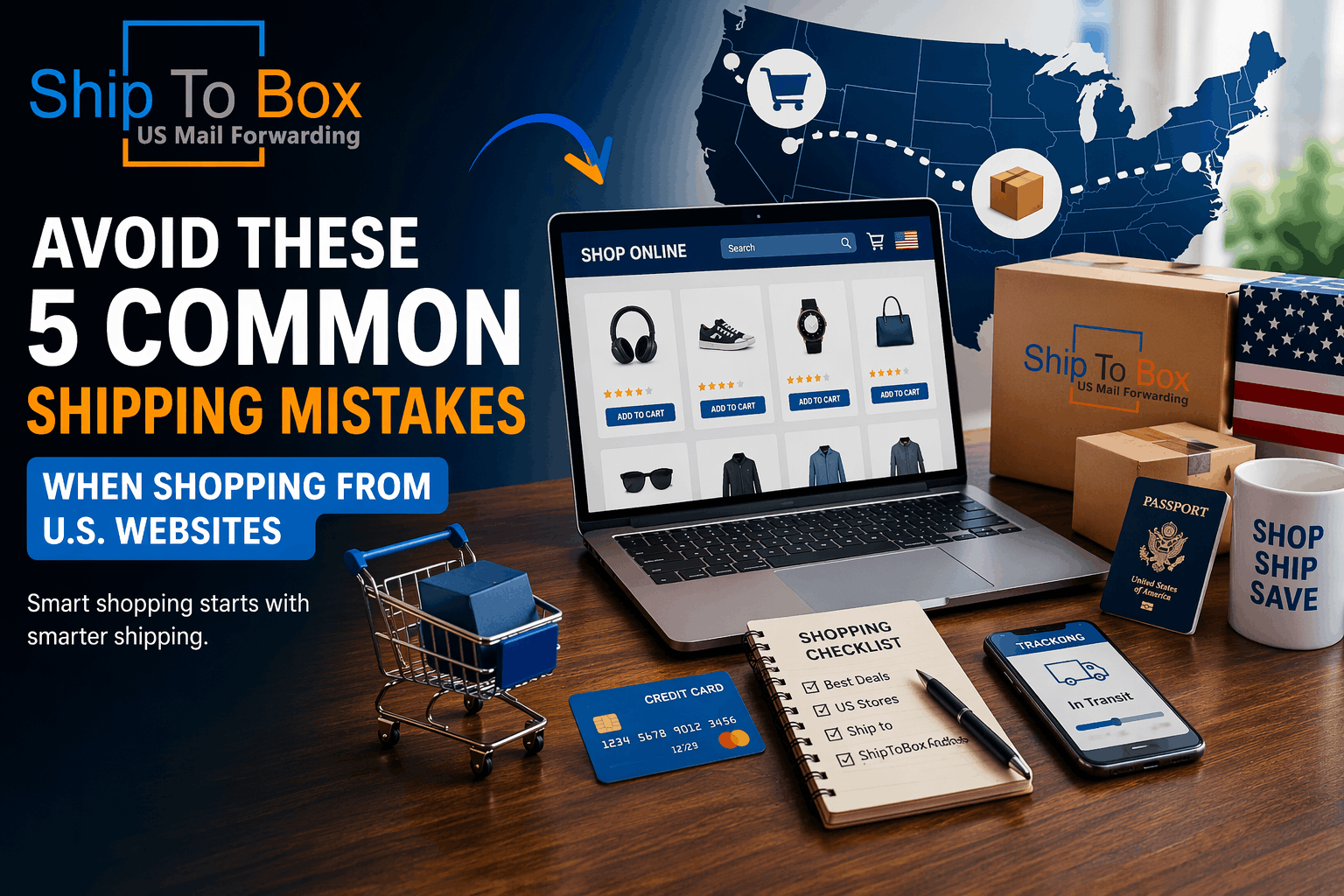

Shipping mistakes are one of the biggest reasons international shoppers end up paying more than expected when ordering from U.S. websites. From overlooking hidden costs to choosing the wrong delivery options, these errors can turn a great deal into an expensive experience.
Shopping from U.S. websites offers access to better prices, exclusive brands, and a wider product selection. However, without proper planning, international shopping USA can quickly become complicated and costly. If you frequently shop from USA or buy from USA online, understanding and avoiding common shipping mistakes can save you both time and money.
Table of Contents
The Common Mistakes Shoppers Must Avoid
Below are the mistakes international shoppers must avoid when buying from US stores to avoid unwanted fees and get the products they want at the price they want.
Mistake #1: Skipping a Proper International Shipping Checklist

One of the most common shipping mistakes is placing an order without reviewing the full shipping process. Many buyers focus only on the product price and ignore shipping fees, customs duties, and delivery timelines.
Before completing your purchase, make sure you:
- Check if the retailer ships internationally
- Estimate customs duties and taxes in your country
- Confirm whether the item is restricted or prohibited
- Calculate the total landed cost
To avoid these shipping mistakes, many international buyers use a U.S. shipping address from ShipToBox. This allows packages to be received in the U.S. first and then forwarded internationally using the most cost-effective method.
Mistake #2: Choosing Direct International Shipping Without Comparing Options

Another frequent shipping mistake is selecting the retailer’s international shipping option without exploring alternatives. Many U.S. retailers charge high international delivery fees or limit shipping to certain countries.
Smart shoppers purchase from popular stores like Amazon, Macy’s, Nordstrom, and Walmart using a U.S. address. This approach reduces costs and offers greater flexibility in choosing international shipping methods.
Avoiding this shipping mistake gives you control over delivery speed, carrier selection, and overall expenses.
Mistake #3: Not Consolidating Multiple Packages

Failing to consolidate shipments is a costly shipping mistake, especially for shoppers who order from multiple U.S. stores. Shipping each package separately results in higher fees, repeated handling charges, and multiple customs processes.
Using a consolidation service allows you to combine several packages into a single shipment. This reduces dimensional weight, lowers shipping costs, and simplifies customs clearance.
By avoiding this common shipping mistake, international shoppers can significantly reduce overall delivery expenses.
Mistake #4: Ignoring Carrier Comparisons
Another major shipping mistake is choosing the first available carrier without comparing options. Different carriers offer varying rates, delivery speeds, and service quality depending on the destination.
ShipToBox partners with trusted global carriers such as DHL, FedEx, and UPS. This allows customers to select the most suitable shipping option based on budget and urgency.
Avoiding this shipping mistake ensures you get the best value for your international delivery.
Mistake #5: Overlooking Customs Rules and Import Regulations

One of the most expensive shipping mistakes is ignoring customs regulations. Certain items may be restricted, require special documentation, or incur additional duties depending on your country’s import laws.
Products such as electronics, cosmetics, supplements, and items containing lithium batteries often require special attention. Working with an experienced forwarding service helps ensure proper documentation and smoother customs clearance.
By avoiding this shipping mistake, you reduce the risk of delays, penalties, or returned shipments.
Why Avoiding Shipping Mistakes Matters
Shipping mistakes don’t just increase costs—they also lead to delays, damaged expectations, and unnecessary stress. When you shop from USA with a clear strategy, including using a U.S. address, consolidating packages, and selecting the right carrier, your international shopping experience becomes smoother and more predictable.
Being aware of these shipping mistakes allows you to take full advantage of U.S. online shopping opportunities while maintaining control over your budget and delivery timeline.
Frequently Asked Questions
What are the most common shipping mistakes international shoppers make?
The most common shipping mistakes include ignoring total landed costs, skipping package consolidation, not comparing carriers, and overlooking customs regulations.
How can I avoid high international shipping costs?
You can reduce costs by using a U.S. forwarding address, consolidating multiple packages, and selecting the most cost-effective shipping carrier.
Why is package consolidation important for international shipping?
Package consolidation reduces the number of shipments, lowers dimensional weight, and minimizes overall shipping expenses.
Do all U.S. retailers ship internationally?
No, many U.S. retailers either don’t ship internationally or charge high fees. Using a U.S. forwarding address helps you shop from these stores without limitations.
How do customs regulations affect international shipping?
Customs rules determine duties, taxes, and restrictions on imported goods. Understanding these regulations helps prevent delays and additional charges.
Conclusion
Avoiding common shipping mistakes is the key to a smooth and cost-effective international shopping experience. By planning ahead, using a reliable U.S. shipping address, consolidating packages, comparing carriers, and understanding customs regulations, you can eliminate unnecessary expenses and delays.
Shopping from U.S. websites should be exciting, not stressful. When you stay informed and proactive, you turn potential shipping mistakes into smart logistics decisions. With the right approach and trusted support from services like ShipToBox, global shopping becomes easier, more affordable, and far more efficient.